Feature

吕大东

Lu Da Dong

01

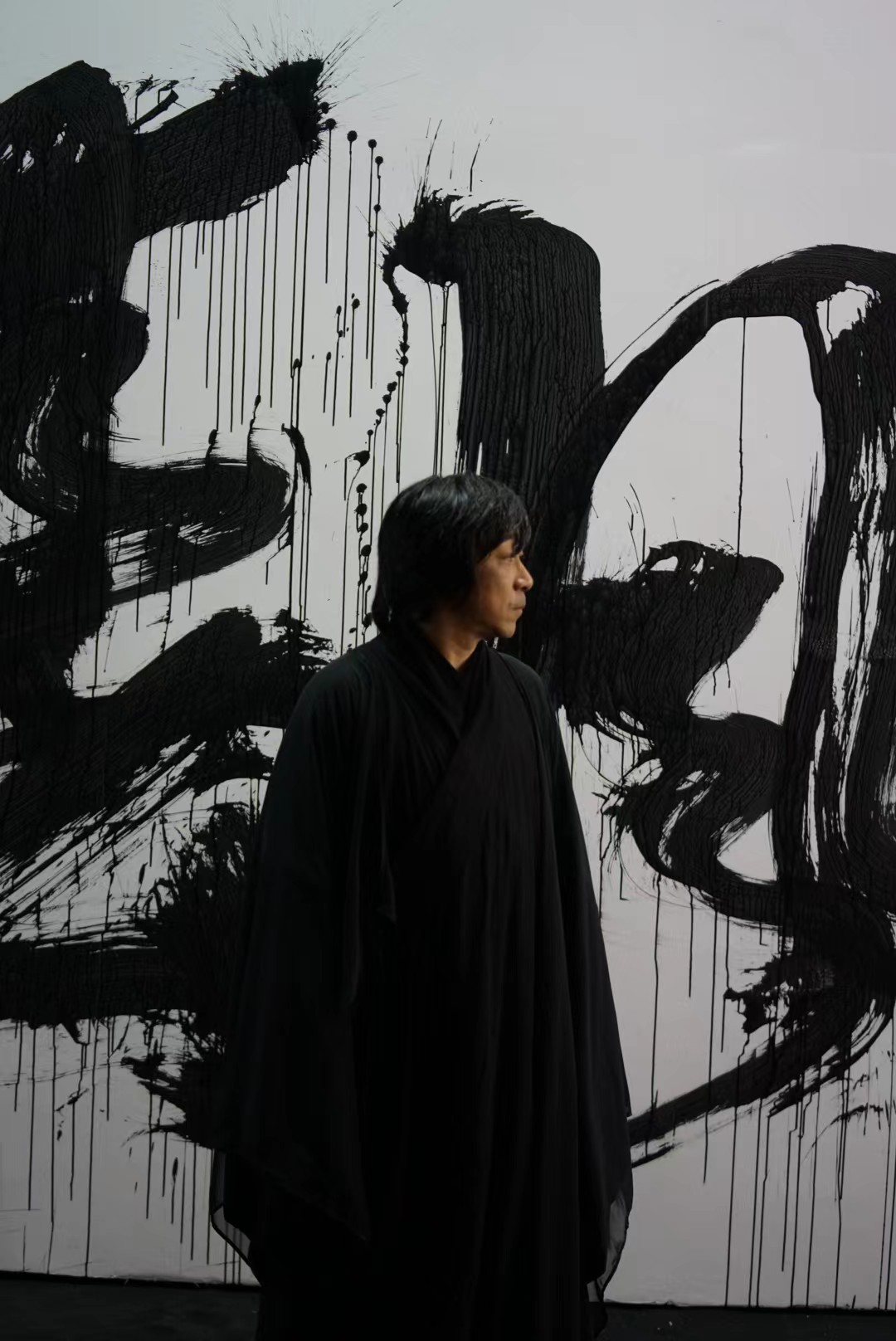
刚进入书法家鲁大东的工作室,就闻到一股奇特香味,是一种木头和书香混合的味道。

+ 4 archived media items

刚进入书法家鲁大东的工作室,就闻到一股奇特香味,是一种木头和书香混合的味道。

大东老师的助手热情地拿出苹果给我们尝,“是老师家乡的苹果,又大又甜。”

堆满古籍的木头桌旁,此刻的大东老师正仔细画一幅小画,据说是送给女儿的成年礼物。

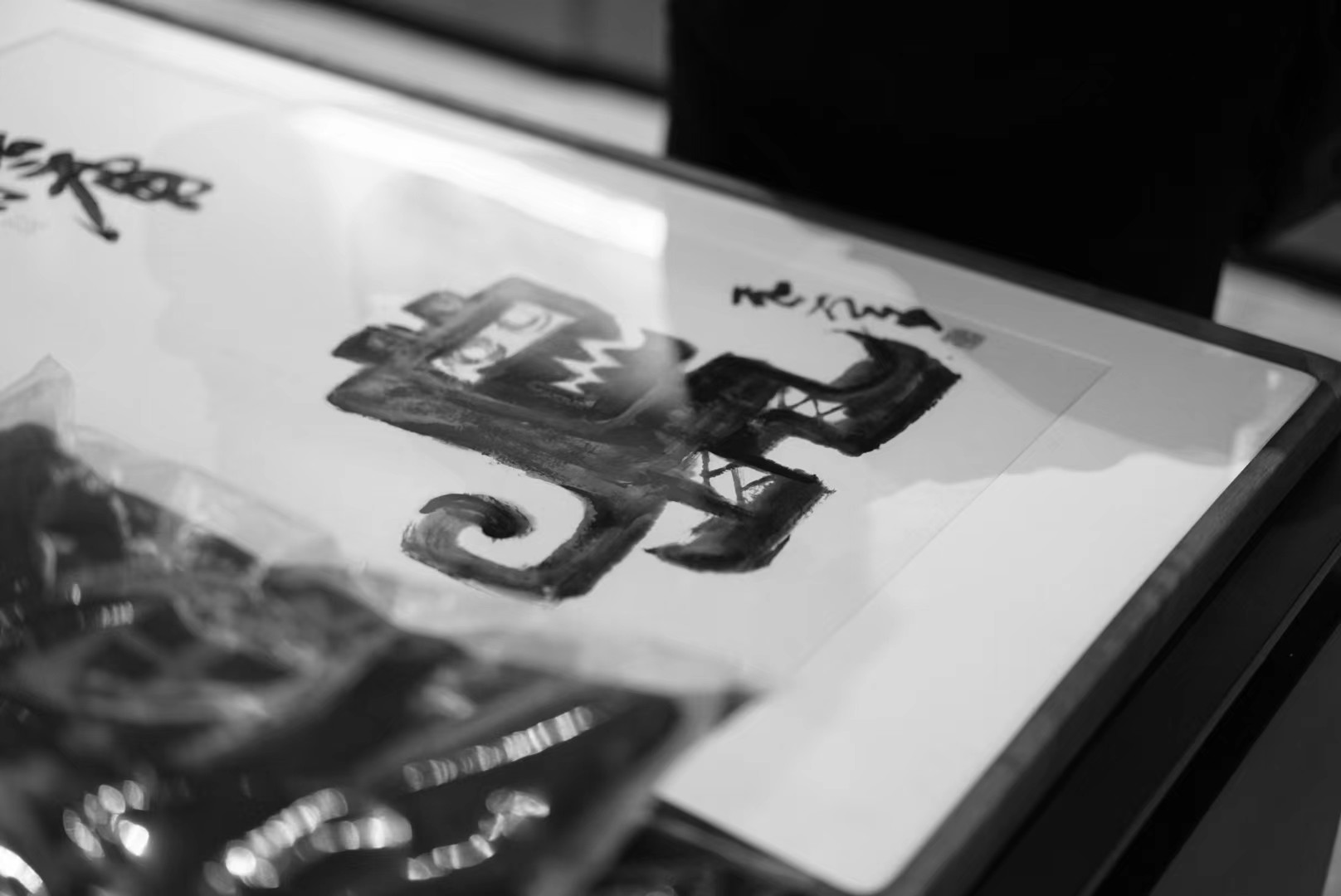
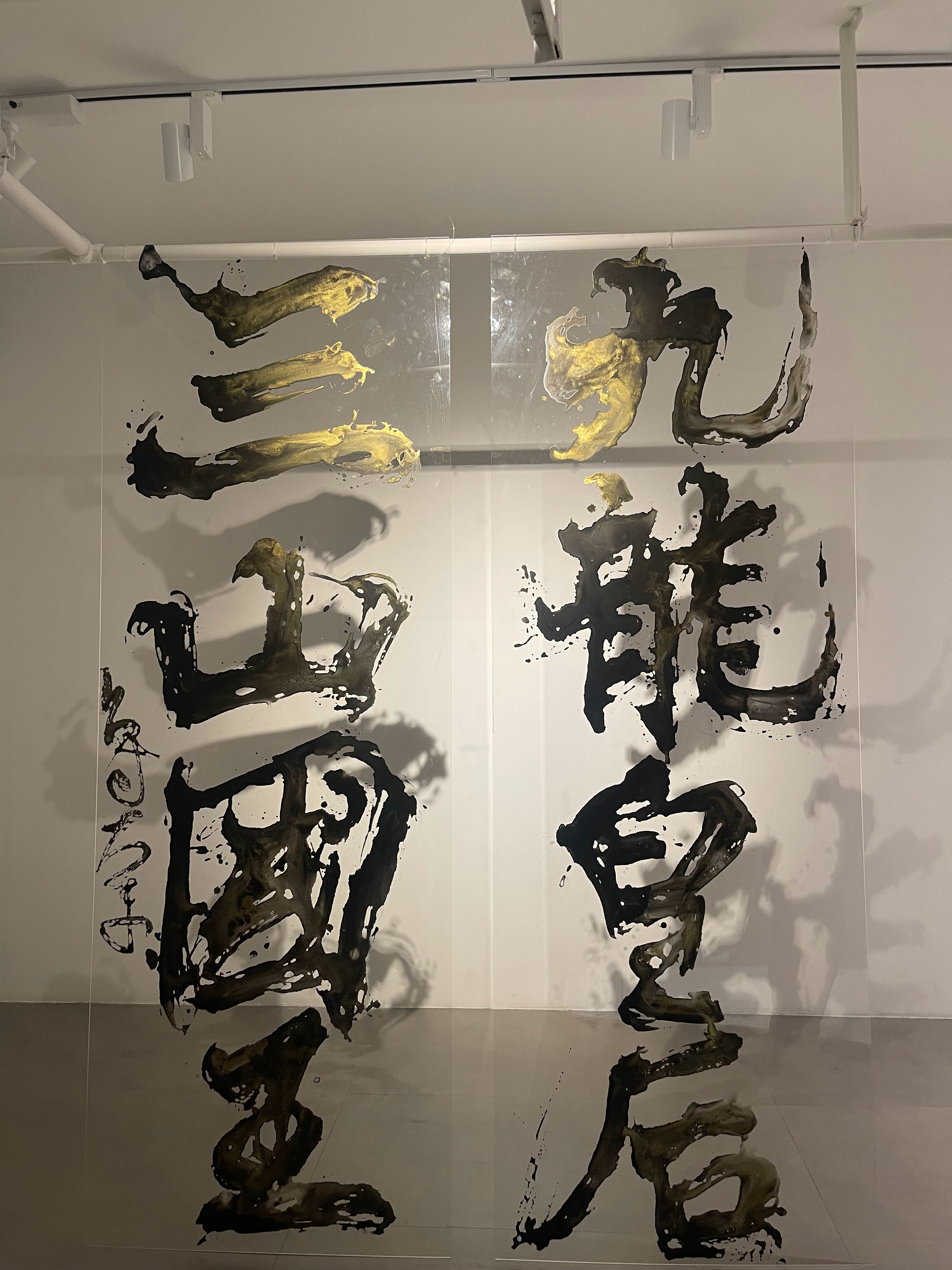
正是他为惘闻这次《辛丑|壬寅》新专创作了封面的书法字体,以及“忍者虎”的形象。

Mr. Lu's studio smelled pleasant and unique, and upon entering, we were enveloped by a perfect blend of

woodiness and the smell of books. His assistant had eagerly served us large, sweet apples grown in Mr. Lu's

hometown. Meanwhile, Mr. Lu himself was seated beside the piles of ancient texts by his wooden table,

handcrafting a small painting for his daughter as a coming-of-age gift. This was the man who created the

calligraphic design on the front cover of Wang Wen's latest album "Painful Clown and Ninja Tiger", as well as

the "Ninja Tiger" identity.

东老师说话慢声细语,给人以沉稳的感觉,很符合人们对书法家和老师的想象。然而,他另外的身份是与人乐队的主唱,一个在舞台上身体力行的摇滚乐实践者。两个大相径庭的身份在鲁大东身上和谐共存,和他的作品一样有着原始奇特的张力。

Mr. Lu was soft-spoken and composed, the perfect embodiment of a calligrapher and teacher. However, his alter

ego as the lead singer of the band Yu Ren and a devoted practitioner of rock music was proof of his extreme

duality. As was his art, Mr. Lu had a unique, primitive aura, evidently shaped through the harmonious balance

between his two contrasting personas.

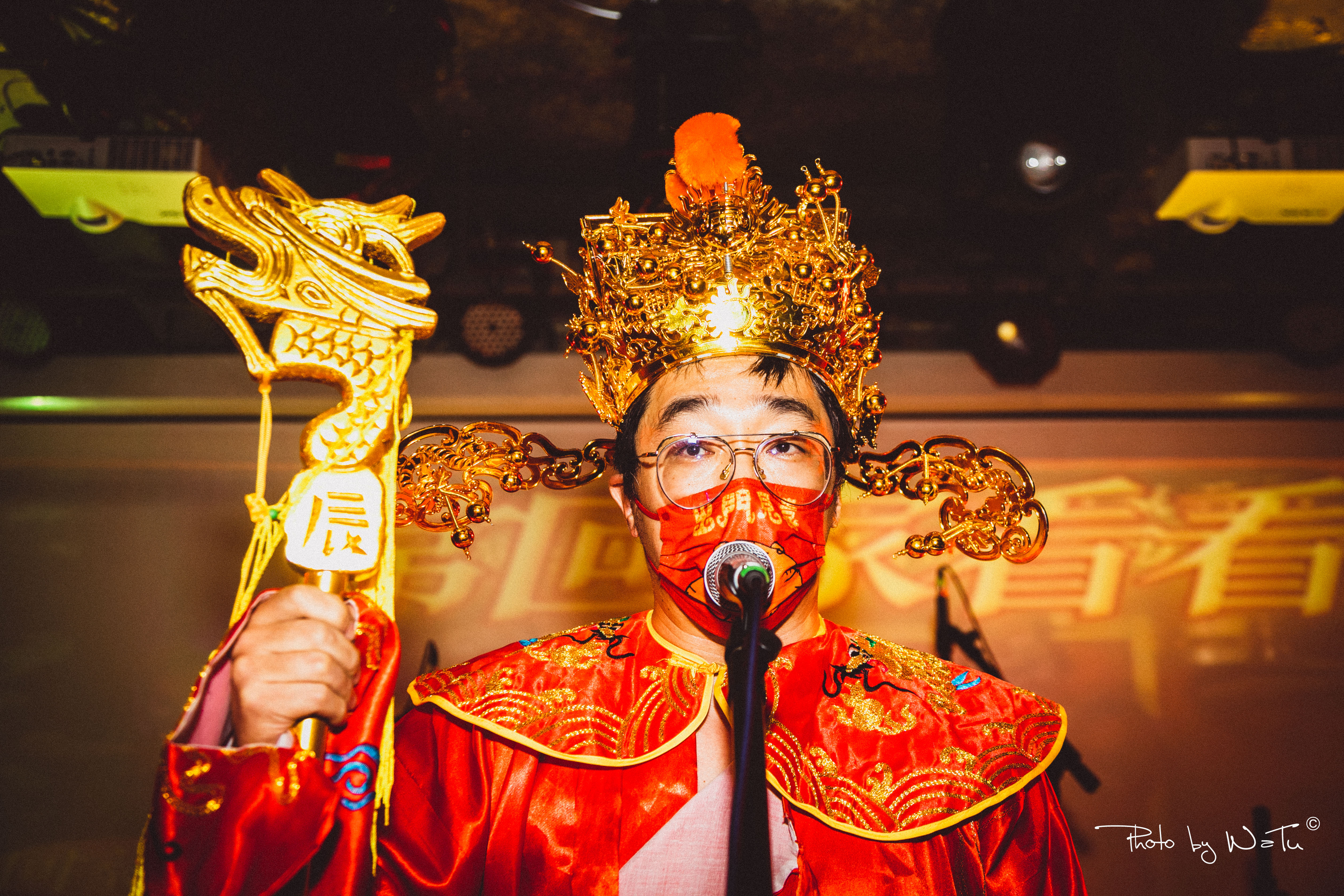
“我觉得我们是一个视觉系乐队,因为每场演出都在

。”他半玩笑半严肃地说。

"I feel like we are a Visual Rock band," said Mr. Lu, only half-jokingly, "since we cosplay in every

我们一边嚼着来自大东老师家乡的苹果,一边和这位身份多样的书法家展开了这场跳跃在音乐和书法之间、没有边界的谈话。

While munching on the apples flown in from Mr. Lu's hometown, we had the opportunity to converse freely with

this great calligrapher about his passion for both music and calligraphy.

「壬寅造访」系列

Fascinating people are always drawn to each other.

Painful Clown & Ninja Tiger,

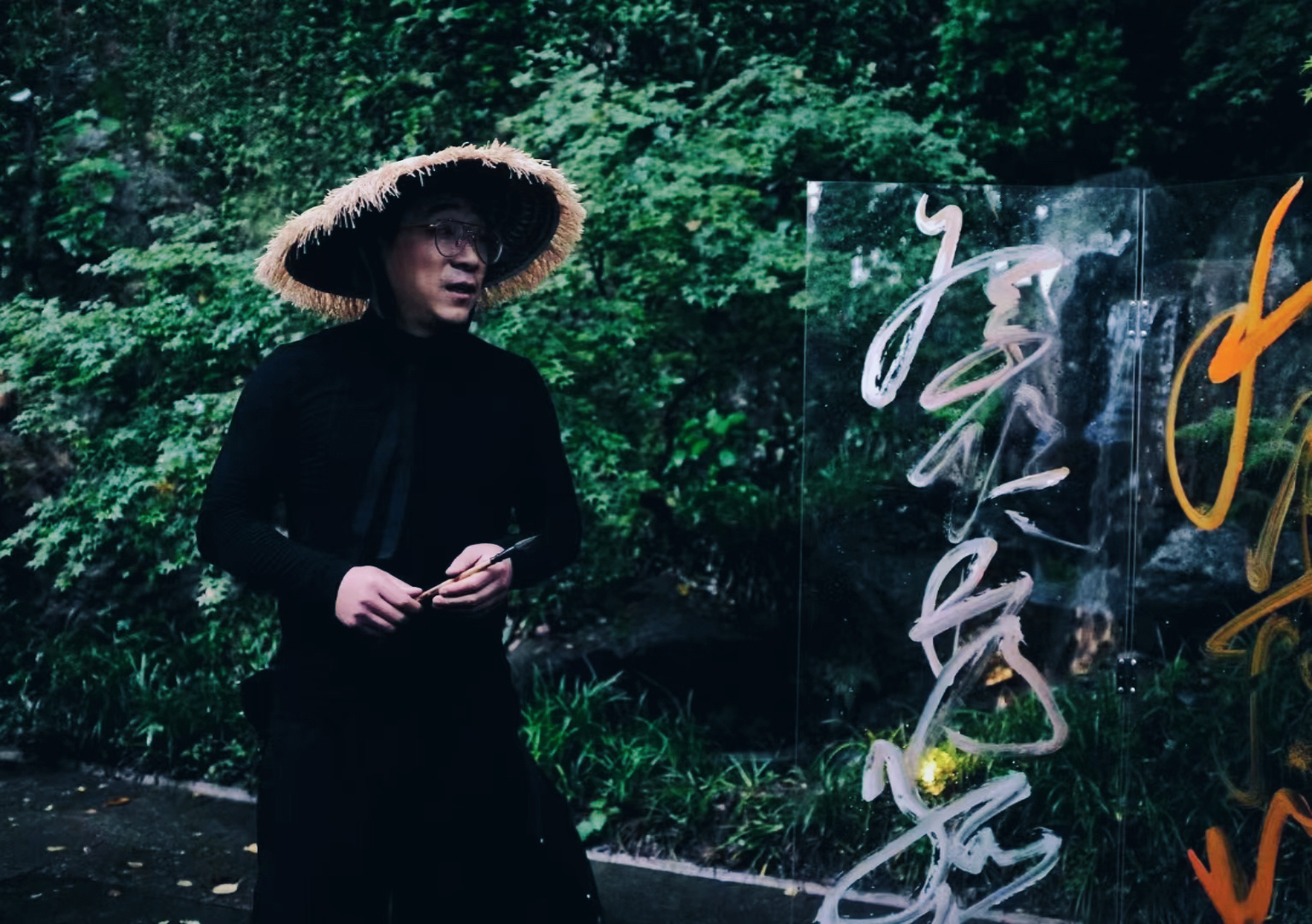
`[艺术家] 鲁大东`

名齐,号启明、夷窠,蓬莱籍,1973年生于山东烟台。中国书法家协会会员。中国美术学院现代书法研究中心副主任。中国美术学院视觉中国协同创作中心教师。一九九五年开始组乐队,现在是与人乐队主唱,出过三张专辑,不定期演出。结交知己,笑骂由人。

02

访谈 / Interview

Q

除了这次的专辑名称,你也给惘闻写了乐队书法logo,一直沿用至今。能聊聊你们最初是怎样认识的吗?

Other than coming up with the title for their new album, you have also designed a calligraphic logo for Wang Wen, and it is still being used till this day. Would you like to tell us more about how you got in touch with this band?

最初是通过惘闻的经纪人树姑娘认识的。虽然我的乐队与人没有和惘闻一起演出过,他们的演出倒是看过一些。之前都是从侧面去观察,真正和老谢聊起来,还是这次我去大连和他沟通合作的事。

At first, I got to know the band through Ms. Sue, Wang Wen’s manager. Despite never performing alongside Wang Wen, we have watched a few of their performances from the audience's perspective. Recently, I finally had the chance to chat with Xie Yugang face-to-face, when I had travelled to Dalian to kickstart our collaboration.

A
Q

你听完《辛丑|壬寅》这张专辑是什么感觉?

What are your thoughts on the album "Painful Clown & Ninja Tiger"?

正好是我去大连找老谢的时候,他给我听了专辑。当时应该是刚录完,还没正式混完定稿。我觉得惘闻这次是选择了一种更直接的表达。原来听他们的音乐,会觉得这是一支好乐队,可以用任何方式去解读。这次的表达是更明确和具象的。

Xie had let me listen to the album when I visited him in Dalian. I think they had just finished recording it and the music was not yet mixed completely. I feel like Wang Wen has chosen a raw, straightforward approach this time, as they had expressed their music in a clearer and more figurative way. This is a stark contrast to their usual open-ended style, which usually allowed for free interpretation.

A
Q

第一次看到“Painful Clown & Ninja Tiger”脑中的想象是?在书写“辛丑·壬寅”这几个字,还有创作忍者虎形象前期,你有哪些思考和准备吗?

What came to mind when you first saw the phrase "Painful Clown and Ninja Tiger"? Also, could you share with us the mental preparations you have made before writing the words "辛丑·壬寅 (Xin-Chou | Ren-Yin)" and in the early stages of creating the identity of the Ninja Tiger?

在书法上,我做个人创作和与人合作,方式不太一样。这次我们讨论了很多次方案,我自己也写了很多版。我以前对惘闻的理解和这次相比,其实会有些变化。创作当时有思考过,到底是要表达“锐利”还是“粘稠”的感觉?也试了不同感觉。我去大连时,和老谢讨论最多的就是配色:到底惘闻的音乐是有色彩的还是黑白的?

In calligraphy, I have slightly different approaches when it comes to solo projects and collaborations. For this project, we held numerous discussions on different proposals, and I have created many versions of the text myself. My understanding and views on Wang Wen have shifted since a while ago, and during the creative process, I was contemplating between a sharper or slightly mellow feeling. We have also been experimenting with different styles. When I met up with Xie at Dalian, a major part of our discussion was surrounding the color scheme of the concept. The biggest question was whether Wang Wen's music was to be colorful or monochrome.

A
Q

谢老师之前有聊到,惘闻logo字体是飘逸的感觉。但这张专辑是压抑的感觉,所以书法字体收敛的感觉非常适合。

Mr. Xie had mentioned previously that the logo of Wang Wen consisted of a flowy font. However, this album gave off a more subdued feeling, so the use of the constrained style of Chinese calligraphy seemed to be an excellent choice.

我一开始创作的时候也想过外放的感觉,但后来还是选择压住了,加了中间调,让整个字体的调子灰暗下来。这也是我最近作品的风格,并非纯书写,而是一个制作型的作品。艺术作品可能没有特别明确的指向性,并非“看图说话”式的表达,不那么明确,留出一些空间可能会更好。

I did consider using a more open and freer aesthetic when I had just started creating the concept. However, we later decided to dull the overall tone of the font by adding midtones. This has also shaped the style of my recent creations, which, instead of being purely written calligraphy, take the form of artistic creations. Such artistic pieces do not always present a clear picture, and thus cannot be interpreted plainly at the surface level. I felt like it was better to leave some space for imagination.

A
Q

你今年年初就有创作过壬寅相关的老虎,在这次“忍者虎”的创作中是否有什么讲究?

We noticed that you have already been creating images of tigers inspired by Ren-Yin since earlier this year. Could you share a bit with us on which aspects you have been paying particular attention to during the creation of the "Ninja Tiger"?

最早是设计师卢涛提出可以从《壬寅》这首歌的名字中做一个虎的形象,也是比较偶然地触发了我去创作。和老谢交流的时候,我发现他对文字形象是有一定想象的:不是很规整、也不是很华丽。写这个“虎”字时我也遵循了这个逻辑:色彩上并不是全黑色,而是有多重的调子。

“忍者虎”在我脑中是个很有趣的融合:“忍”这个字很有解读空间,“忍者”在日本历史中是一种特殊职业,通常在暗处行动,也会保护自己,也有隐忍修行之意。而“虎”在中国同样是特殊的形象,一方面很凶猛,会吃人;另一方面又是百兽之王,大家都对王有敬畏之心;有时候民间还会消解它的可怖性,虎又变成了吉祥可爱的形象。

The idea of creating a tiger identity from the song title "Ninja Tiger" actually came from the designer, Lu Tao, and that was what inspired my creation. While chatting with Xie, I noticed that he had his own unique visualization of word imagery, and he wanted it to be a perfect balance between lavishness and structuredness. Building upon this rationale of his, I had included a multi-toned palette while writing the word "Tiger", instead of making it monochromatic.

In my opinion, the combination of "Ninja" and "Tiger" is extremely interesting. Other than referring to ninjas, who often act from the depth of the shadows and are very capable of protecting themselves, the word "Ren"(忍) in Chinese may also mean “patience” and “cultivation”. On the other hand, tigers represent a unique identity in Chinese culture. They are often described as fierce and predatory, but people still respect their status as the king of beasts. Often, we also portray them as cute mascots representing auspiciousness, completely ignoring the fact that tigers are deadly and terrifying beasts.

A
Q

大家该如何解读这个形象呢?

How would you wish for us to interpret the tiger you have created, then?

你觉得可爱就好了(笑)它就是个萌凶萌凶的纸老虎。

It doesn't matter how you interpret it. It's great as long as you find it cute. (Laughs) It's really just a cutely fierce paper tiger.

A
Q

无论书法还是音乐,每个人都会找一个自己的切入点,然后进入这个世界。在书法和摇滚乐这两个领域,你的切入点分别是什么?

Be it calligraphy or music, I believe that every artist enters the world of creation through a certain starting point. What was it that introduced you to calligraphy and rock music?

书法对我来说和摇滚乐一样,也是自我选择的道路,很自然地就进入了。我家没有什么书法的影响和背景,是因为自己喜欢,然后自学,后来慢慢去上了美院。在美院,老师能教的只是自学,关于传统的理解大部分情况还是自己摸索出来的。

光从书法技术方面来讲,我已经达到这个时代顶级了,拿弹琴来说就是Steve Vai、Van Halen这种级别的。这个没办法,我就学这个,科班出身的,已经学到了这个程度。像很多音乐人就是音乐专业出来的,他的创作基因里就带了科班元素。但后来你也可以运用自己的技术,做别的创作。我自己另一个身份是书法老师,这个身份就传统很多。作为书法老师来说,我有将这个艺术面向大众传播的工作。我现在书法课的直播就非常大众化,和我的艺术创作是没什么关系的。

In the same way that I chose rock music, I made my own choice to pursue calligraphy. Despite there being little influence from my family members, I picked up calligraphy out of pure interest and started learning it on my own. I eventually got into China Academy of Art, but soon realized that whatever my lecturers taught me was merely to help me develop my self-learning skills. I still had to explore all the basic theories myself.

A
Q

那这种自我选择和摇滚乐还挺像的,受到一种冥冥中的召唤,“我就是喜欢”,然后就去做了。

Sounds exactly like how you got into rock music. You feel a calling, make a choice, and put your all into it. Am I right?

对。对我来说,书法和音乐之间没有什么明显的区别,这两种创作状态也是差不多的,我原来做实验音乐的时候更能感受到书法那种“静”的状态。我相信老谢他们在创作音乐和记录时候的状态,也是一种沉浸式的。

Yes. Truthfully, calligraphy and music are not that much different for me. Their creative processes are pretty similar. When experimenting with music, I often find myself in the same kind of trance and tranquility I usually experience when creating calligraphic art pieces. I believe that people like Xie would also be equally immersed in their craft when creating and documenting music.

A
Q

对,上次聊的时候,老谢有说到自己创作音乐,是一种和“时间打交道的方式”:一天中就和几个音符打交道,有些人觉得枯燥,但创作者会觉得很舒服。

你本身也是与人乐队的主唱,我感觉与人乐队是一支非常现实主义的乐队,创作表达和舞台表现都非常尖锐。创作演出中有些荒诞的拼贴元素,关注的也是时下社会议题,有种中国特色cult片的感觉,给我的感觉就和现实世界是一样的,你们是在用喜剧的方式来表达愤怒的内核。可以这样理解吗?

Of course. That reminds me of my previous interview with Mr. Xie. In that interview, he had mentioned that his creative process was his own way of interacting with time. While others may find it boring to incessantly pore over the same few notes every day, he truly seeks comfort in the process itself.

Other than being an outstanding calligrapher, you are also the lead singer of the band Yu Ren. The band appears to be quite realistic, in my opinion. By using absurd collage elements, your creativity and performances are critically expressed. Meanwhile, the audience would also find your music relatable as the lyrics are based on current social issues. In fact, I would say that your band has been rather successful at promoting the Chinese identity. Would it be accurate to assume that you are using comedy as a channel to express the anger tucked away deep inside?

Q

对,我们会用喜剧的形式去表达,只是在这个时代会变得更隐晦一点。我们的唱片和演出完全不是一个概念。我在演出的时候大量用即兴的方式,歌曲框架是确定的,但歌词有时会加很多和现实有关的部分。惘闻现在的唱片和演出之间有区别吗?

That's true. We express our emotions through comedy, but tone it down to fit the taste of people in the current era. Meanwhile, compared to our records, our performances follow an entirely different concept. We improvise a lot while performing live, and despite having a fixed framework for our songs, we often switch up our lyrics by adding some realistic and up-to-date bits. Speaking of which, do you feel like there is a large difference between Wang Wen's records and their live performances?

A
Q

惘闻现在会想要争取还原唱片里的音色和状态。

Wang Wen would strive instead for performances with a more consistent tone and form, trying to be as similar as possible to how they sound in their records.

那这是我们不同的地方,与人还是会追求一些现场即兴的部分。

And this is what sets us apart from Wang Wen. Our band focuses more on improvisations.

A
Q

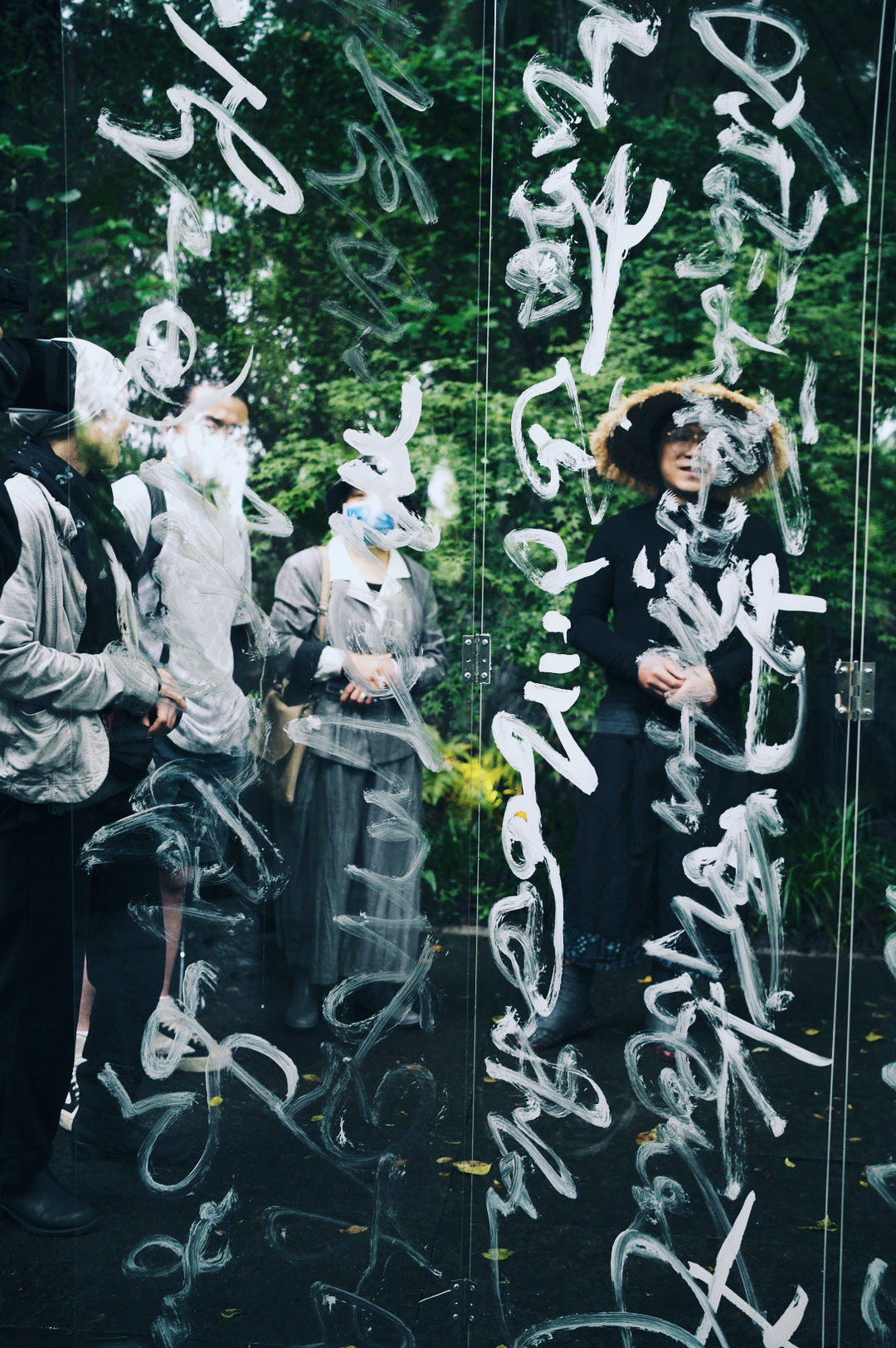
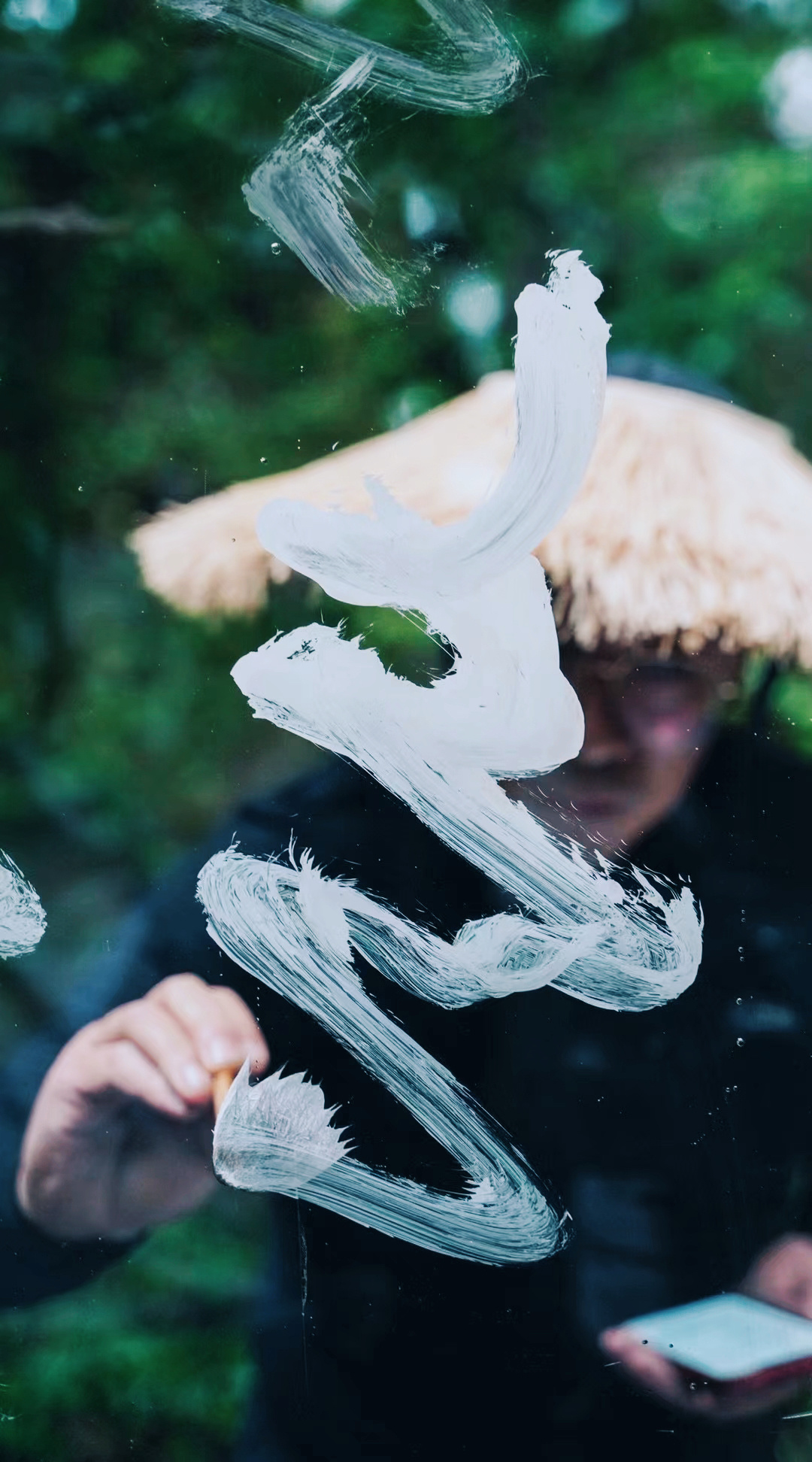
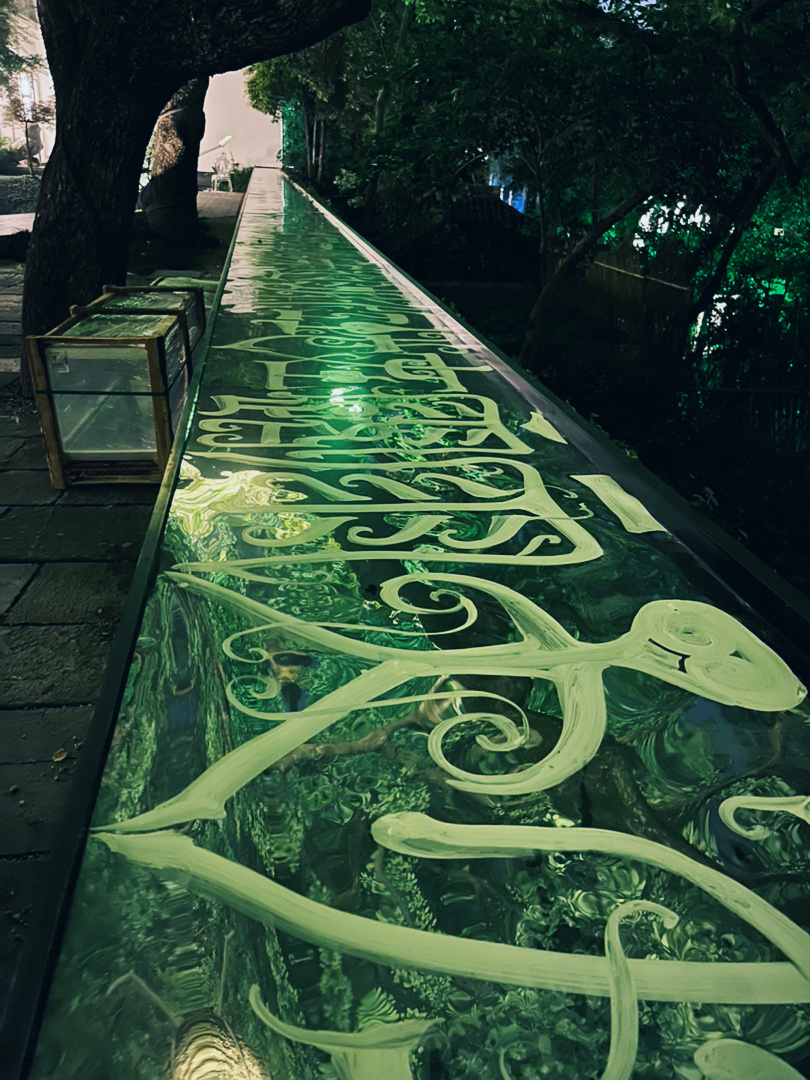
你最近书写的场景也会很多样,公园里、朋友的店里,最近还去汕头的展览展厅里。这种方式会比较颠覆书法的传统吗?

You have recently been creating calligraphic art pieces under various settings, such as in parks, in a friend's shop, and even recently, in an exhibition hall in Shantou. Do you think that this form of calligraphic creation would subvert the traditional art of calligraphy?

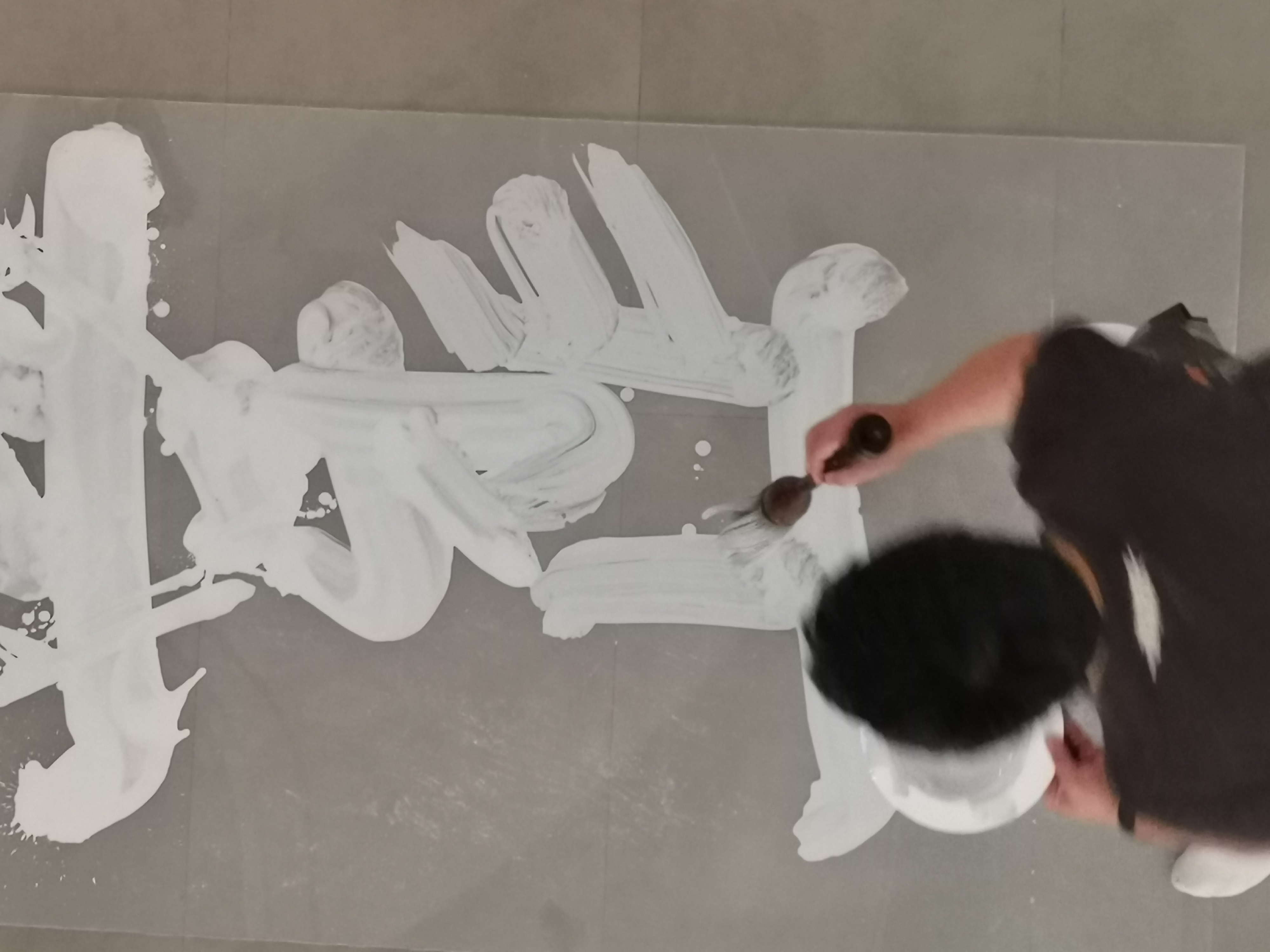
只要思维方式够活跃,当代书法的形式和现代艺术区别也不大。传统的、装置的、行为的、观念的这些元素都可以在书法中体现,也有很多人在做尝试。我个人就蛮即兴的,比如我去做一个展览,会更偏向于以当代艺术家的形式去创作:在进入场地前我什么也没准备,除了带上创作工具,进入之后会根据场地来考虑作品的内容和形式,慢慢生发出来。最近汕头的这个展览就是我去到那儿,在两三天之内做出来的。在展览的几天中和策展方接触沟通,选择了这种形式,也去了解潮汕文化和方言,最后根据主题选择创作的内容,很自然地创作出来。

There is actually little difference between modern calligraphy and contemporary art. They are somewhat similar, provided that the viewer's mindset remains active. All sorts of elements, including traditional art, installation art, performance art, and conceptual art, can be reflected in calligraphy. This has encouraged many artists to try out different combinations. For me, I am more inclined towards improvising my art, which often makes me act like a modern calligraphy artist during exhibitions. I would walk into the venue carrying nothing but my tools, and my ideas on the content and form of the artworks would be generated on the spot, often inspired by the venue itself. That was the case for my exhibition in Shantou recently, and I had created the calligraphy piece just like that, within a short span of two to three days. That was the result of my discussions with the organizers. I decided to incorporate dialects and cultures of Chaoshan in my piece, and things flowed naturally from there.

A
Q

这就和音乐演奏中的即兴过程很像了。

And that is essentially the same as jamming in music performance.

在创作之前我不会设想结果,因为我自信有技术能力,所以会根据场域给我的感觉,当时的气味、光线各方面的东西来创作。

As I am confident in my technical skills, I never think about the outcomes before starting my creative process. I often rely on sensations I experience there and then, such as the smell and the lighting around me, taking them as inspiration for my artwork.

A
Q

在书法专业的领域是否也有一条清晰的演化脉络?最近是否有突破的创作?

Has traditional calligraphy undergone a significant evolution into modern calligraphy? Have you had any breakthroughs recently in terms of your artistic creations?

书法有个向现代转化的过程。比如说起传统书法,可能都是雅致的印象,坐着喝茶、穿着古装这种。但实际上这种印象,都是视觉媒介兴起后大家对书法这项艺术的“重构”,只是我们想象中的“传统”,和真正的古典没有什么关系。我们现在看到的很多书法的形式,都是来自现代传媒的塑造。这就遇到一个问题,可能书法界很棒的艺术家并不为人所知。

就好比你是做实验音乐的,可能大众并不知道你。比如把实验音乐人李剑鸿的某个片段放到抖音,可能就会被人质疑和嘲笑。那这样的反馈对创作者来说是有意义的吗?这样的事情就发生在了书法领域。如果他小时候练过书法,可能就会觉得书法应该是他想象中的那个样子,接受不了的形式就会反对。官方的书法现在也进入了一个很庸俗的形态,那就是等级制度。任何门类的艺术在中国都会有个地方性的协会,有美术家协会、书法家协会,这些协会就把这种创作形式变成割韭菜的工具,靠这个获取利益。书法面临的境况更复杂,因为从业人员特别多。

"Chinese calligraphy has definitely undergone modernization. Traditional calligraphy is often portrayed as elegant. For example, the feeling it exudes is not unlike the image of men and women clad in flowy robes, sipping tea elegantly from their exquisite China teacups. However, such impressions are merely images reconstructed by visual media on of the art of calligraphy. In reality, the "traditional" we imagine is nothing close to the actual essence of traditionality. Many forms of calligraphy we see today are portrayals of modern media, which leads to outstanding artists in the calligraphy community barely being recognized for their talent.

For example, if you're a musician who make experimental/Avan-Garde music, you would not be well-known in the public eye. For instance, if you post a segment of the experimental musician Li Jianhong's piece on TikTok, people might criticize and jeer at him instead of giving constructive feedback. This, unfortunately, is also true in the field of calligraphy. When someone learns calligraphy from a young age, they would have a fixed mindset towards calligraphy and would not be able to accept contrasting styles. This is why the current hierarchical system is detrimental to the arts. In China, there are all sorts of regional associations for every form of art, be it the Artists' Association, the Calligrapher's Association, or others. These associations have turned such creative forms into tools to help them gain profit, especially in the field of calligraphy, which is facing an even greater problem due to the large number of practitioners.

A
Q

书法感觉是传统艺术门类里官方渗透话语权比较大的一种类了,很多老干部老领导爱好这个……

Calligraphy seems to be one of the more mainstream forms of traditional art in China. I have noticed that a large portion of calligraphy lovers consists of retired senior civil servants.

是的。它就是个强大的分级市场。

Yes, that's right. It is a robust market made up of hierarchies.

A
Q

您觉得有必要引导大众的审美吗?比如大部分人对于书法的认知是要临摹得像和美,对于音乐的认知是旋律要好听,但实际上有一部分艺术家的创作是在拓宽这个艺术领域边界的,会和大众审美的是刻板印象有偏差,被认为是“不正统”的。

Do you think that it is necessary to instill a so-called correct form of aesthetics in the general public? For example, most people think of excellent art as being pleasant to the eye and looking as similar as possible to the actual model. That seems to be the case for good music too, which is usually defined as having a pleasant melody. However, there are also a few unique artists who create works aimed at broadening the horizons of art. Their works often deviate from our stereotypical perceptions of art and are thus viewed as unorthodox.

因为我自己另一个身份是书法老师,这个身份就传统很多。我的技术已经达到这个时代顶级了,拿弹琴来说就是Steve Vai、Van Halen这种级别的。这个没办法,我就学这个,科班出身的,已经学到了这个程度。像很多音乐人就是音乐专业出来的,他的创作基因里就带了科班元素。但后来你也可以运用自己的技术,做别的创作。所以作为书法老师来说,我也有将这个艺术面向大众传播的工作。我现在书法课的直播就非常大众化,和我的艺术创作是没什么关系的。

As I've said, I also play a very traditional role as a calligraphy teacher. I would say that I'm already at the level of Steve Vai and Van Halen in terms of calligraphy. I'm very confident about my techniques since I have been learning this exact craft for decades. There is not much more room for improvement, to be honest. Just like formally trained musicians, artists like us create art based on rigid, professional training. However, this professionalism does not stop us from being creative and coming up with new, personal forms of art. Being a calligraphy teacher myself, I am obligated to spread this agenda to the public. My online classes are thus very general and fit-for-all, but then again, this rigidity does not carry over into my artistic creations.

A
Q

您并不排斥大众传播媒介?

Are you against using mass media to promote art?

对,我不排斥。我觉得只有一点点来,用他们可以接受的方式才能改变他们。所以我在直播里会夹一些私货(笑)。一方面教技术,另一方面也是培养独立思考的能力。

Of course not! I believe that I will be able to slowly pass the message to more people by using means that they are familiar with. This is also why I often slip in a bit of my own agenda during my livestreaming classes (Laughs). While it is true that I am teaching people the techniques of calligraphy, I would also indirectly urge them to think independently.

A
Q

就打开一扇门,接下来有些人会走进去,另一些人不会,都很随机。

This is essentially the same as everything else in life. When you open an opportunity to all, some take it, while others don't.

对。

Yes, precisely.

A
Q

现在书法中是不是有一种趋势,是把书写和绘画相结合?

Is it becoming a trend where artists combine calligraphy and painting in their art?

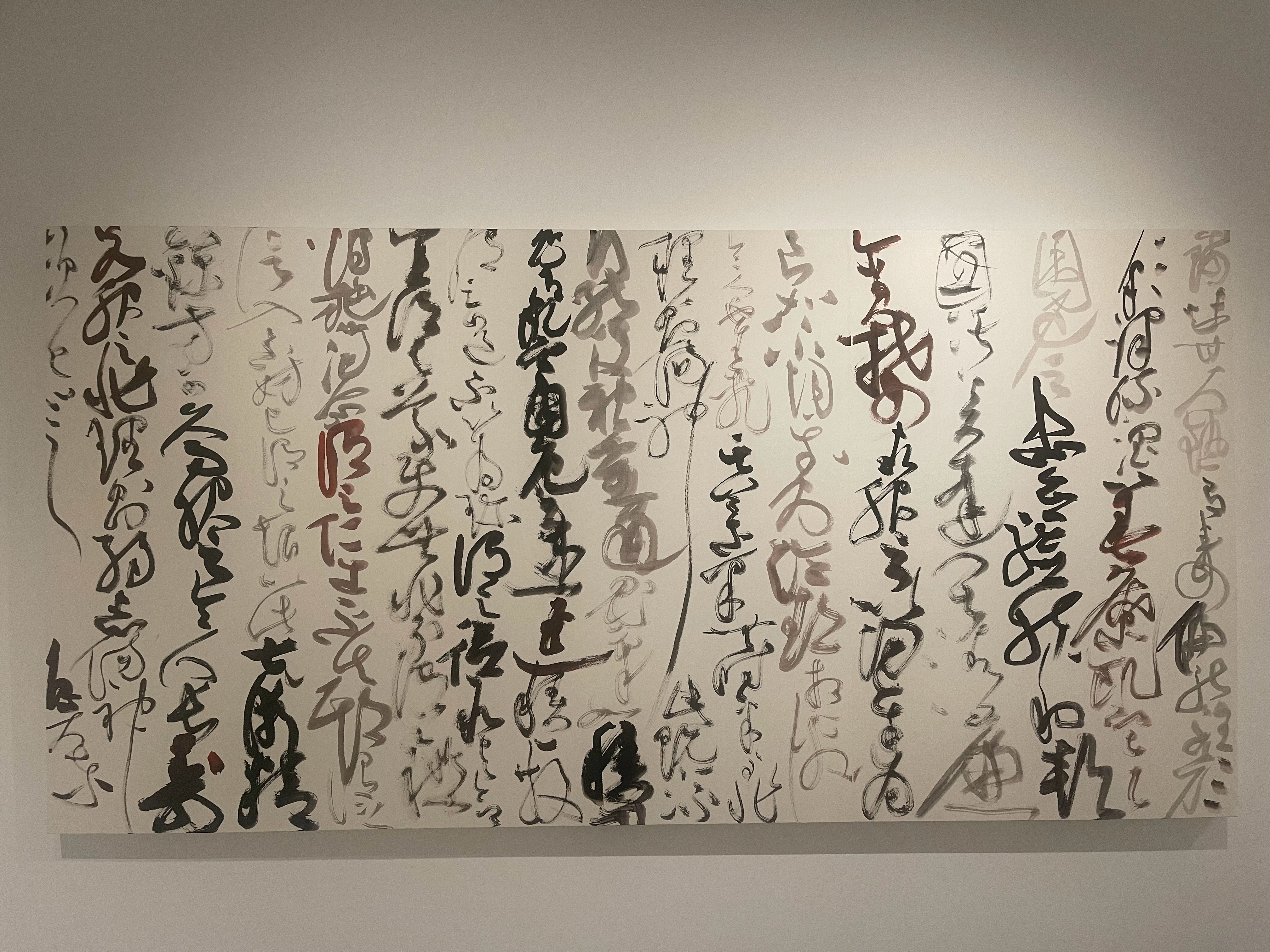
这就是我现在正在做的事。因为传统书法强调独立性,强调文字性的东西,要可识读。但我们现在整个视觉文化的方向已经不同了,是在一个多维空间进行展示传播,而且运动的形式,不是单维平面的。我现在想做的是消灭书写和绘画之间的界限。这在一开始是很危险的,很容易变成一种庸俗的东西。

This is exactly what we are trying to achieve right now. While traditional calligraphy emphasizes legibility, independence, and textual characteristics, the new visual culture has been pushing for a more multidimensional presentation of the arts. Modern art requires a dynamic form, instead of the conventional unidimensional plane. I aspire to break the wall between calligraphy and painting, but this will be a tough and risky journey, as such forms of art might easily be perceived as kitsch.

A
Q

“危险”指的是怕作品不好,还是会颠覆传统?

By "risky", do you mean that this may result in the creation of poor artwork, or that this path may cause subversion of the traditional?

把文字当绘画的形式,之前就有人做过,但是做的并不是很成功。古代不同时期的书法家都会有些奇怪的尝试,甚至也有用行为行动去表现书法绘画,古代有时候比我们现在还要开放。但这些部分后来慢慢都被主流话语消解掉了,因为他们觉得这种边缘的形式不好,还是要坚持他们所谓“文化传承”之类的东西,雅致的、静态的、不激不厉的东西。书法和当代艺术的交流,其实很早就有,包括原来画家赵无极,最早很多油画里的元素都是从书法这里借鉴的。在二三十年代,西方当代艺术对中国其实是有影响的,对书法虽然影响少了一点,但还是有变化的,但49年之后就封闭了。但之后对日本书法现代化的影响很大,后来会参加一些国际双年展这种艺术展。上个世纪70年代我们和日本恢复邦交后,从日本那儿发现了视觉冲击力很大、受到现代艺术影响的书法形式,然后才在八十年代出现了“现代书法”热潮,模仿日本或者自己做一些新的尝试。我现在想做的是,让每个当代艺术的元素都能从传统中找到。因为我的优势是技术,我可以通过技术让现代和传统进行交流。

The merging of calligraphy and painting is not unheard of, but none of the artists pursuing this style have been particularly successful. There have even been instances in ancient China where certain calligraphers, being even more open than us in terms of art, attempted to express calligraphy through peculiar ways such as human actions. However, the mainstream discourse at that time had overridden such unusual artistic expressions, claiming that they have deviated from the essence of calligraphy. Instead, artists strove to preserve their "cultural inheritance" and were inclined towards more elegant, static, and uninspiring art. Meanwhile, the integration of calligraphy into modern art has already been prevalent since a long time ago. Notable figures who were known for such art styles included Zao Wou-Ki, who had incorporated Chinese calligraphic themes into many of his earlier oil paintings. Western contemporary art had influenced China greatly back in the 1920s and 1930s, although such influence was comparatively weaker on Chinese calligraphy. However, the Western influence on Chinese art had subsided after 1949. Instead, Western art had exerted a significant influence on the Japanese calligraphy scene, thus facilitating the modernization of Japanese calligraphy. We also participated in biannual international exhibitions, among other art events. Since the China-Japan rapprochement in the 1970s, we experienced a massive visual impact from Japanese art, which resulted in an incorporation of modern art into calligraphy. And later in the 1980s, a "modern calligraphy" craze swept through the nation, encouraging artists to take inspiration from Japanese calligraphy for their pieces, or create entirely new forms of art. I am currently striving to incorporate traditional art into every possible form of modern art. I am confident in facilitating the fusion of the past and the present through my robust technical skills.

A
Q

感觉在每个领域,同时拥有技术,也能保持开放思维的创作者都不多。

A common problem in every field is that there are very few creators who are equipped with both robust technique and open-mindedness.

所以西方音乐人对我影响很大的,除了那些很经典的比如David Bowie之外,还有就是Frank Zappa,他做音乐的理念对我影响很大。他就是属于技术绝对好,所以就在摇滚和爵士之间随意取材,他可以用的元素就特别多,完全是天马行空地创作。

And that is why Western musicians have a huge influence on me. In addition to musical legends like David Bowie, Frank Zappa has been one of my greatest influences in terms of his concepts in creating music. He has very solid technique, which allows him to incorporate various elements in his music, including anything from jazz to rock.

A
Q

在全世界的角度来看,中国书法是什么样的状况呢?

What seems to be the status of Chinese calligraphy in the international context?

我们能够在海外有影响力的书法家,还是偏抽象一类的作品,像徐冰做的英文书法、天书地书之类的作品。在国际交流中能发现,其实海外对中国书法的经典和当代都很感兴趣,而且两者之间没有冲突。但在我们的主流话语中,这两者还是有明显的界限,这个冲突就是“官方”。“官方”其实一直是滞后的,它对现代艺术的反应还停留在比较旧的状态。

The more famous Chinese calligraphers in the global scene are mostly inclined towards abstract art. Examples include Xu Bing's English Calligraphy, Book from the Sky, Book from the Ground, and his other works. Foreign artists are actually very interested in both traditional and modern calligraphy since there is no conflict between these two forms of calligraphy. However, in the mainstream Chinese context, we usually refer to the two as distinct, labelling the traditional form of calligraphy as "official". However, this definition is backward as its views on modern art are pretty outdated.

A
Q

这次的三方合作非常有意思,从惘闻的音乐,变成中英文歌名,到您这儿有书法创作,然后交给设计师卢涛结构,再变成现在我们看到的唱片封面。像是一种创作接力,每个人把自己手上的东西交给下一个人,看看能创作出什么东西。也像上次我和谢老师聊到的即兴,惘闻抛出一个动机,然后艺术家用自己的方式回应。这次合作顺利吗?有没有你印象深刻的环节吗?

This collaboration between you, Wang Wen and Lu Tao is such a meaningful feat. Wang Wen created the music and came up with both English and Chinese song titles before passing it to you to create the calligraphic artwork based on their concept, which was later submitted to the designer Lu Tao for restructuring. It's like a relay of creativity, passing down ideas to the next person and seeing what can be created from it. This is actually very similar to what Mr. Xie previously mentioned about improvisation in art, where artists would take inspiration and create art from the motive proposed by Wang Wen. Did this collaboration go smoothly? Were there any instances during the process that were memorable to you?

顺利!最后大家一看时间要来不及了,都会非常顺利(笑)我自己是非常随性的,除了我这个人比较难找以外,合作程度还是很高的(笑)。

It went really smoothly. It always goes smoothly when there's a time limit. (Laughs) I am usually light-hearted, so the collaboration went well, except maybe for the fact that I am a busy man. (Laughs)

A
Q

之前我们在和联邦走马的主理人恶鸟对话时,他提出过一个时间观,就是“复兴”而不是“复古”,他现在正在做的事(机车和出版),是回溯过去的历史,过去的一个点上学习总结吸取养分,然后面向未来创作出新的内容。未来的人回看时,会站在他创造的这个点上继续向前。你的书法创作应该感觉更明显,因为书法是一种非常古老的形式,你有从某个历史时期的书法流派中吸取到对现在创作的养分吗?你会怎么看待创作中的传承和发展?

During our conversation with Odd Bird, the curator of One Villain and 49 Horses, he introduced a concept of time: "Revival" instead of "Retro." He is currently involved in activities related to motorcycles and publishing, which involve a retrospective examination of the past. By studying and synthesizing insights from a specific historical period, he creates new content for the future. As future generations look back, they will build upon the foundation he has laid and continue to progress. Your calligraphy art should reflect this notion more prominently, considering that calligraphy is an ancient art form. Have you drawn inspiration from a particular calligraphy school or style from the past and incorporated it into your present artistic expression? How do you perceive the interplay of inheritance and development within the realm of artistic creation?

我们很多人现在都在做类似的事情。我发现对一些当代艺术家或者观众来说,传统和现代之间没有特别的明确的界限,其实国际主流艺术的观念也是这样的。我在传统领域里是一个开拓者。

Many of us are currently engaged in similar endeavors. I have observed that for certain contemporary artists and audiences, there is no clear and definitive boundary between tradition and modernity. This notion holds true even in the context of international mainstream art. Within the realm of tradition, I consider myself a trailblazer, constantly exploring new frontiers.

A
Q

现在音乐平台给大家推歌,如果没有系统听过不同类型的音乐,有个知识地图,也很难辨别出哪些是传统,哪些是现代。

Nowadays, music platforms recommend songs to us. However, without having a systematic exposure to various music genres and a knowledge map, it becomes difficult to distinguish what is traditional and what is modern.

是的。你可能会觉得某些当地很土著的音乐是特别的先锋的,当时最早的世界音乐(Word Music)就是这样的,那些创作者也没想过发展传统音乐,而是觉得有些非洲、东南亚的根源音乐很现代。再比如日本音乐的传统和西方是不一样的,保留了很多古代的律制,但是听起来是很现代的,这就是审美迁移造成的。

Indeed, you might find certain local and indigenous music as being avant-garde. This was the case with the earliest World Music, where the creators did not set out to evolve traditional music but found a sense of modernity in the indigenous sounds of Africa and Southeast Asia. Another example is traditional Japanese music, which diverges from Western conventions and retains ancient musical systems while sounding distinctly contemporary. This phenomenon can be attributed to the transfer of aesthetics across cultures.

A
Q

中国的传统文化经常到了某个点就被拦腰截断,前面的源流就断了;要不就原封不动地继承下来,很少能有机地融入现代人的生活中。

In Chinese traditional culture, there is often a point where it is abruptly cut off, and the previous origins are lost. Alternatively, it is passed down in its original form without much integration into the lives of modern people.

中国也会变吧。现在也会有些很特殊的艺术形式出现,我对艺术表的还是很乐观的。不管做到什么程度,只要我们继续做事情。

China will undergo changes as well, won't it? We are witnessing the emergence of some remarkably distinctive art forms, and I maintain a positive outlook on artistic expression. Regardless of the level of accomplishment, it is important for us to keep pursuing our endeavors.

A
Q

在这种情况下,你觉得作为艺术家和创作者,还有什么是可以做的?

In this situation, what do you think artists and creators can do?

首先是记录,把你看到的、体会到的东西都记录下来。只要这个世界不灭亡,后面的人都还能看到。我觉得老谢他们就是在记录。未来的人也许没有经历过疫情时代,但是听到惘闻的音乐,也许能体会到,这是最真实的。艺术作品虚构和艺术化的处理,往往能最真实地反映时代。新闻或所谓纪实,最容易作假。通过艺术去真实地记录,反而是有效的。

First and foremost, it is important to document. Record everything you see and experience. As long as the world continues to exist, future generations will have the opportunity to witness it. I believe that artists like Xie are engaged in this act of documentation. While future generations may not have personally experienced the era of the pandemic, they may still be able to grasp its essence through listening to the music of bands like Wang Wen. This form of artistic expression holds the potential for genuine authenticity. Contrarily, news and so-called documentaries are often susceptible to manipulation. Art, on the other hand, has the power to truthfully capture and convey the spirit of the times.

A
Q

谢谢您!

Thank you!

Comments